
Things You Can Sell to Make Money (Fast, From Home & Online)
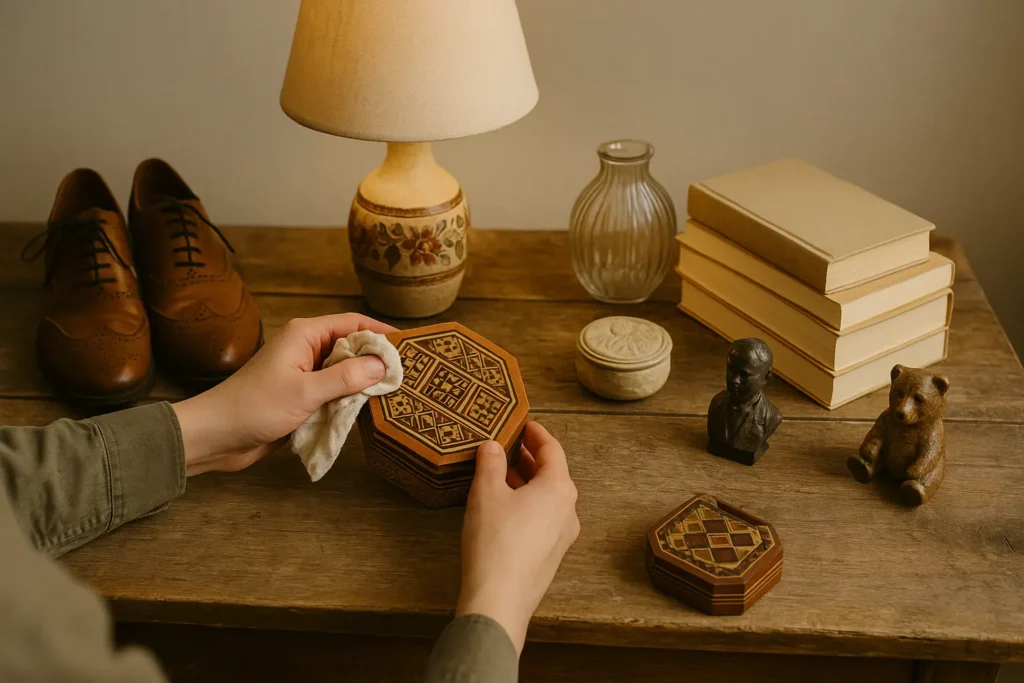
If you’re hunting for things to sell to make money, you’re not alone and the good news is you likely already own plenty of sellable items. Whether you’re aiming for quick cash, a little weekly breathing room, or a starter side income from home, this guide will help you move fast without feeling overwhelmed. By the end, you’ll know exactly what sells quickest, where to list it, and how to pick the ideas that fit your time, space and confidence level so you can start earning right away.
The best things to sell to make money right now
When you want cash quickly, focus on quick things to sell items with steady demand, simple pricing, and low effort. Most people can pull £150–£400 straight from cupboards, wardrobes, and old storage boxes without buying anything new. Here are the things to sell fast when you want results today.
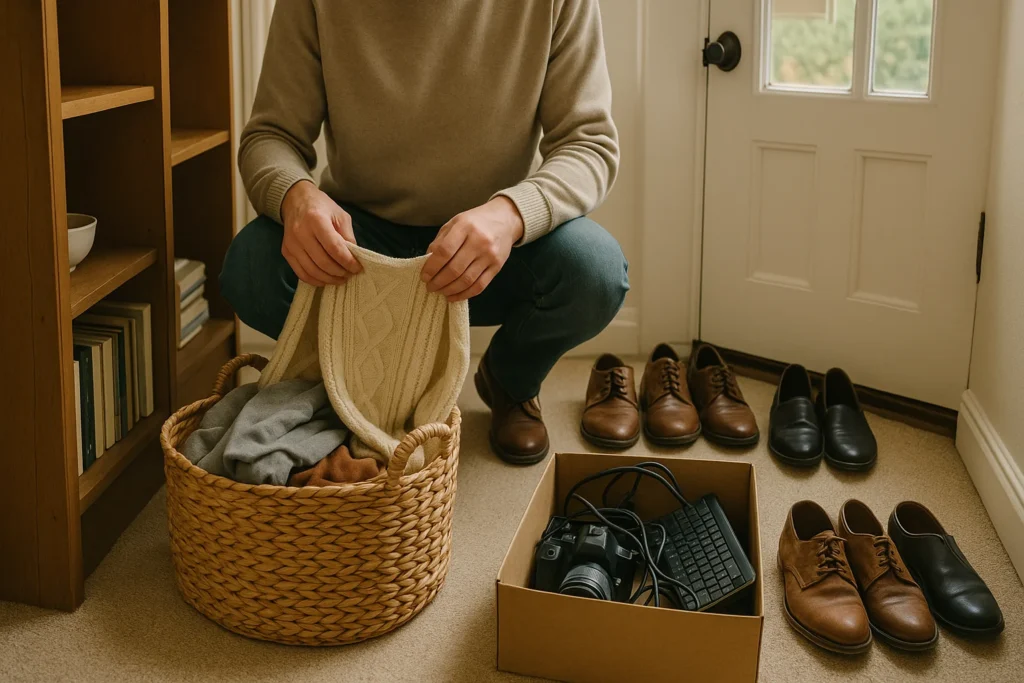
Top fast-cash items people buy immediately
- Clothes, shoes and bags — especially branded, seasonal or barely worn
- Old electronics — phones, headphones, tablets, cameras
- Books & textbooks — study guides, special editions, popular genres
- Childhood toys & collectibles — plushies, figures, retro games
- Small furniture & home décor — lamps, shelves, side tables
- Handmade crafts — simple jewellery, stickers, keychains
- Digital printables — planners, wall art, templates
- Unwanted gifts & sealed items — duplicates, unopened sets
- Freebie samples — event bundles, unused promo packs
- Sports gear & hobby equipment — bikes, instruments, craft tools
- Trading cards & niche collectibles
- Tools & DIY equipment
- Scrap metal or broken electronics (parts often sell well)
- Parking or storage space (if you have it available)
- A quirky one: hair — used in wig-making; check buyer requirements first
These are the best things to sell and make money because buyers already know exactly what they’re looking for. With clean photos and fair pricing, you can often get messages within hours and turn everyday clutter into real, usable cash.
How to Choose What to Sell (Profit, Demand & Effort)
Figuring out how to choose and what to sell can feel overwhelming at first, but the process becomes much clearer once you break it into a few simple steps. The goal isn’t just to pick random items it’s to choose profitable products that fit your timeline, your skills, and the way you like to work. Whether you’re decluttering, experimenting with a side hustle, or planning to sell online long term, the right choice will feel manageable rather than stressful.
Start with what you already have vs what you’ll create
If you want money soon, begin with what’s already around you. Selling items you already own is instant profit: no upfront cost, no risk, and no planning. Clothes, electronics, books and household items are usually the fastest wins.
If you’re thinking beyond quick cash, explore what you can make, source or flip. Handmade crafts, refurbished items, printables or templates are great options for selling what sells best online, because these categories have consistent buyer demand. This route takes more effort, but it opens the door to ongoing income rather than one time sales.
The 3 profit filters (demand, margin, effort)
1. Demand
Ask: Are people actively buying this right now?
Check sold listings, trending categories and common sense needs. High demand items sell faster and at better prices.
2. Margin
A simple rule: aim to sell for three times your cost if you’re creating or sourcing items. This gives space for fees and shipping while still leaving real profit. With declutter items, margin matters less they’re essentially “free stock.”
3. Effort
Not all items require the same workload. Lightweight items ship easily. Digital products need no packaging. Bulky items often sell best locally. Choose items where the effort feels worth the return.
Matching items to your lifestyle
Choosing the right item isn’t just about profit—it’s about you.
Ask yourself:
- Do you prefer low-effort selling? Stick to local listings or digital goods.
- Do you enjoy crafting or designing? Handmade items or printables may feel natural.
- Need results this week? Prioritise decluttering and common household items.
- Want long-term income? Focus on repeatable products or consistent niches.
When you match what you sell to how you like to work, the whole process becomes smoother, more predictable, and far more enjoyable.
Things You Can Sell Right Now from Around Your Home
If you’re ready to turn clutter into cash, the easiest place to start is your own home. These are the most reliable things to sell around the house. Items you already own, can list quickly, and that people are actively buying. Whether you’re clearing space or just want to make some extra money, you’ll find options you can act on today.
Clothes, shoes & accessories
Your wardrobe is a goldmine. Items that are still in good condition, clean and on trend draw buyers. Think branded jackets, lightly worn shoes, handbags, scarves. When you pack multiple items into bundles, you make more per listing and shift inventory faster.
Books & textbooks
From study guides to classic novels, books sell steadily. Current edition textbooks especially retain value. Check what similar copies sold recently before listing. Lightweight and portable, they’re ideal for online sales.
Phones & electronics
Old phones, tablets, headphones (even ones you no longer use) can be worth good money. People look for both working devices and parts. Clean the item, erase your data, take clear photos, and compare trade in vs private sale value.
Furniture
You might think big items take too much effort but small to mid pieces (side tables, chairs, décor shelves) can sell quickly on local platforms. Good lighting and staging go a long way towards making a sale. When you list bulky items, mention pick up or delivery.
Baby/kids items
Outgrown clothes, toys, strollers. parents and guardians constantly search for good condition second hand items. Cleanliness and safety are key selling points. Package items by age or stage for more appeal.
Hobby & sports gear
Equipment you rarely use sits quietly when it could bring in cash. Bikes, art supplies, musical instruments, crafting kits demand exists. Timing helps (sports gear at season start, for example) and bundling accessory items increases value.
Collectibles
Sometimes the most surprising items sell best. Retro toys, limited edition figures, vintage vinyl and trading cards these fall under “weird clutter” but often have strong buyers. Before listing, always check what similar items have sold for to ensure you price appropriately.
Things You Can Make and Sell From Home
When you’ve sold the quick wins around the house, the next step is creating things to make and sell simple and low-cost ideas you can produce from home without specialised tools.
Handmade crafts
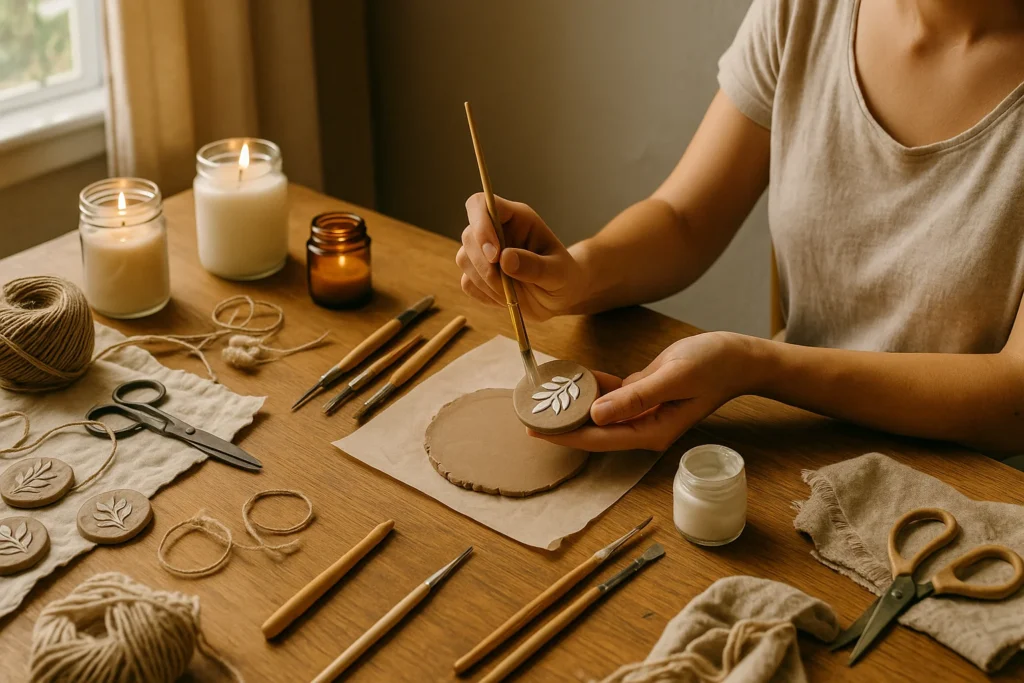
Handmade doesn’t have to mean hours of work. Many handmade items to sell fall into the “cute, useful, personalised” category things customers buy as gifts or small treats for themselves. Think simple jewellery, minimalist bracelets, bead accessories, stickers, keychains, badges, bookmarks or personalised mugs. These are low cost to produce, easy to customize and fit well on craft friendly platforms where buyers look for thoughtful, affordable items.
Home & lifestyle goods
If you enjoy the creative side of making things, home leaning products often offer some of the highest margins. Popular categories include candles, simple soaps, room sprays, coasters, decorative jars, tote bags, wall prints and basic home décor pieces. These kinds of DIY products consistently appear in high demand lists because they’re visually appealing and make great gifts. Clean photos and cohesive branding go a long way here.
Food & baked goods (local only)
If you’ve got reliable baking or cooking skills small batch foods can be an excellent home based option cakes, cookies, brownies and snack boxes or simple baked goods. These tend to sell best through local groups or word of mouth. Just make sure to check your local food preparation requirements before selling anything edible.
Upcycling ideas
If you enjoy transforming old things, upcycling items is a smart way to sell products with almost zero starting cost. Think repainted furniture, refreshed wooden décor, fabric covered storage boxes, repurposed jars, or turning vintage items into modern décor. Buyers love the story and uniqueness. Upcycling also fits perfectly with “eco friendly gifts”.
Testing handmade ideas cheaply
Before you commit to making lots of stock, test your ideas on a very small scale. Start with a few pieces, ask friends or local buyers for feedback, or post a simple photo online to gauge interest. Quick polls, sample listings, or selling a small batch at a weekend market can tell you exactly what people want long before you spend money on supplies.

Digital Products and Printables to Sell Online
If you want something low effort, low cost and endlessly reusable things to sell digital products are an ideal choice. They skip shipping, storage and packaging entirely, making them perfect for anyone who wants a simple, home based income stream.
Templates & printables
Printables remain some of the most reliable digital downloads to sell. Planners, budgeting sheets, wall art, habit trackers, kid’s worksheets and study printables are popular because buyers love quick, ready to use tools. Canva is more than enough to create clean, appealing designs, and repeat buyers often return for matching sets.
Simple digital assets
If you want something even simpler, small digital assets are quick to make and test. Think social media templates, resume layouts, icon packs, desktop wallpapers, colour palettes or stock photos. These items sell well because they’re easy to customize and offer instant value to buyers who don’t want to design from scratch.
Ebooks & courses
Short guides, niche ebooks and mini courses work beautifully when you already know a topic well. Whether it’s study notes, how to steps, or a compact skill lesson these higher value digital products give you room to earn more per sale without needing a huge audience.
Where to sell digital goods?
Etsy is great for printables to sell, while platforms like Gumroad, Payhip and Ko-fi are perfect for ebooks, templates and digital bundles. All make delivery automatic, letting you focus on improving your product library or creating new items over time.
Reselling & Flipping: Turning Finds Into Profit
If you enjoy hunting for bargains or spotting undervalued gems, flipping items for profit can become one of the most rewarding ways to earn. You don’t need specialised knowledge to start just a little curiosity, a basic eye for value, and the willingness to check what similar items have sold online.

Thrift flips
Thrift stores, flea markets, car boot sales and community bazaars are full of under priced treasures. Look for branded clothing, quality shoes, vintage décor, unique homeware, retro games and small furniture pieces. The key to successful thrift flips is checking sold prices before you buy that way you know whether the item has proven demand. Small repairs or a good clean can often double the resale value.
Retail arbitrage
This is the more structured side of flipping: buying new or clearance items at a steep discount and reselling them for market price. Think seasonal markdowns, outlet finds, beauty bundles, toys, small electronics or home essentials. Always compare retail vs online prices before buying fees and shipping can reduce margins. Retail arbitrage is one of the most reliable ways to resell items consistently.
Furniture flips
Furniture is one of the most satisfying categories to flip because improvements make a big difference. A quick sand, fresh paint, new handles or cleaned up wood can turn a worn side table into a stylish piece that sells at a premium. Bulky pieces move best locally, and buyers love clearly staged photos. Furniture flipping works especially well for people who enjoy DIY without needing advanced skills.
Niche collectibles
This is where research pays off. Vintage books, trading cards, retro gaming items, limited edition merch, vinyl records and small memorabilia can fetch impressive margins when you know what to look for. Always check sold listings not just active ones to avoid chasing fads with no real demand. Niche collectibles require patience, but the wins can be significant.
Weird & Surprising Things You Can Sell
Some of the quickest wins come from weird things to sell the kind of items or opportunities most people overlook because they don’t feel like “real” products.
Sell your opinion (surveys, user tests)
Your thoughts genuinely have value. Market research companies, user testing platforms and feedback panels will pay for honest opinions on products, websites, or ads. It’s not life changing money but it’s one of the simplest way to make money because you’re essentially selling your time and attention. Short surveys, usability tests and small focus groups add up quickly when done consistently.
Freebie resales
Event freebies, unused promo items, sample packs, subscription “extras” and gifted duplicates often have resale value. Buyers look for bundles of small, practical items stationery, travel minis, organisers, merch, unused beauty samples because they cost less than buying retail. These surprising items work well for turning clutter into quick cash with zero cost.
Selling space or rights
If you don’t want to sell physical items, consider selling access instead. A spare parking spot, storage space, or occasional use of a garage or driveway can bring in steady side income. You can also license your photos or artwork for small commercial uses essentially selling the rights rather than the object. These fall under weird things to sell because they’re not items at all, but they’re genuinely profitable.

Best Platforms to Sell Different Types of Items
Once you’ve chosen the things to sell to make money, the next step is deciding where to sell items so you get the best results with the least effort. Each platform has its own strengths, and matching your item to the right place can make a big difference in how fast it sells and how much you earn.
Local apps & Facebook Marketplace
Best for: furniture, bulky items, home décor, kids’ gear and large bundles
Local apps work well when you want quick, no shipping sales. Buyers collect items directly, which keeps your profit higher and makes it one of the best places to sell everyday household goods fast.
eBay & Amazon
Best for: electronics, books, games, collectibles and everyday items
eBay gives you huge reach and clear pricing data, while Amazon is ideal for books and new, barcode ready items. Both platforms help you reach motivated buyers who know exactly what they’re looking for.
Etsy
Best for: handmade goods, printables, digital downloads and personalised gifts
Etsy attracts shoppers specifically looking for unique, thoughtful or creative items. If you’re making crafts, art prints, jewellery, templates or digital products, this is often the best place to build momentum.
Fashion focused apps
Best for: clothes, shoes, accessories, vintage or branded fashion
Depop, Vinted and Poshmark make it easier to sell clothing because the audience is already primed to buy fashion-focused pieces. Trendy items, lightly worn basics and branded shoes typically move quickest here.
Trade-in sites
Best for: phones, tablets, laptops, headphones and old gadgets
Trade-in sites are perfect when you want a guaranteed offer without negotiating. You may not get the absolute maximum price, but you’ll get speed, convenience and same week payouts.
When to build a shop or website?
Once you’ve found a product line that sells reliably especially digital goods or handmade items building a small online shop can help you keep more profit and create a consistent brand. You don’t need to start here, but it becomes valuable as your sales grow.
How Much Money You Can Realistically Make?

One of the biggest questions people have is how much money can you make selling items, and the honest answer is: it depends on what you choose, where you list it, and how consistent you are. But with the right mix of decluttering, simple flips and a few repeatable product ideas, most people can earn more than they expect. Once you know the things that sells well and understand typical price ranges, it becomes much easier to predict what’s realistic both for quick cash and longer term side income.
Typical price ranges you can expect
Here are ballpark figures from common categories (based on marketplace trends and the demand patterns we pulled earlier):
- Everyday clothing: £5–£25 depending on brand and condition
- Branded shoes & fashion accessories: £10–£60
- Books & textbooks: £3–£40 (textbooks sometimes more)
- Small electronics (phones, headphones, controllers): £15–£120
- Furniture & décor: £10–£150, especially for well-staged items
- Handmade goods: £5–£40 depending on materials
- Digital products: £3–£20 per download, scalable over time
- Collectibles: highly variable — check sold prices first
These ranges help anchor expectations and make it easier to choose profitable categories.
One-off declutter vs ongoing income
Decluttering is the fastest route because you’re starting with items that cost you nothing to acquire. Many people pull in £200–£500 from household items alone sometimes more if they include furniture or old gadgets.
Ongoing income looks different. Once you start reselling, flipping or creating digital products, you can develop:
- Small-but-steady weekly earnings from clothing, books and easy flips
- Higher-margin profits from furniture makeovers or niche collectibles
- Scalable income from digital downloads, which keep selling long after you create them
The key is to mix quick wins with products that have repeatable demand.
Simple selling profit examples
Seeing the maths makes everything clearer. Here are a few realistic selling profit examples:
Clothing bundle
Buy a bundle for £8 → Sell individual pieces for £28 total
Platform fees: £3 → Packaging: £1
Profit: £16
Small furniture flip
Pick up a side table for free → Spend £6 on paint/handles → Sell for £32
No shipping (local pickup)
Profit: £26
Digital printable
Create once → Sell 40 downloads at £3 each
Platform fees: ~£10 in total
Profit: ~£110 for a product that required no shipping
Old electronics
Sell unused headphones for £25 → Fees: £2.50 → Packaging: £1
Profit: £21.50
These examples show how small decisions — choosing the right category, matching it to the right platform, and checking demand — shape what you can realistically earn.
Step-by-Step Plan: Turn Your Things Into Cash This Week
If you want a clear, fast plan for how to sell items fast, this simple four day approach works whether you’re decluttering, flipping a few bargains, or acting on the things to sell to make money you identified earlier. It keeps the process focused so you can start earning within days instead of weeks. Here’s how to make real progress without overwhelm.
Day 1 — Choose your category and goal
Start with one category so you don’t spread your attention too thin. Clothes, electronics, home décor, books, kids’ items and small digital products are all easy starting points. A single, focused goal is the quickest route.
Day 2 — Gather, clean and photograph your items
Clear, honest photos help your listings stand out. Clean each item, place it near a window for natural lighting, and take multiple angles. Add small details buyers care about brand, size, colour, condition and measurements. Better photos directly translate into faster sales.
Day 3 — List on the right platform with smart pricing
Use the platform that suits your item best:
- Local apps for furniture and bulky pieces
- eBay for electronics, games, books, accessories
- Etsy for handmade items and digital downloads
- Fashion apps for clothing, shoes and accessories
Check the “sold” section to price competitively. A well priced item with clear photos usually gets messages quickly.
Day 4–7 — Reply fast, adjust your listings and reinvest what you can
Quick replies build trust and help you close sales faster. If something isn’t getting views, refresh the first photo or adjust the price slightly. Cross list on multiple platforms if needed. As sales start coming in, set aside a portion of the profit to reinvest in more stock or cash everything out if your goal is short term income.